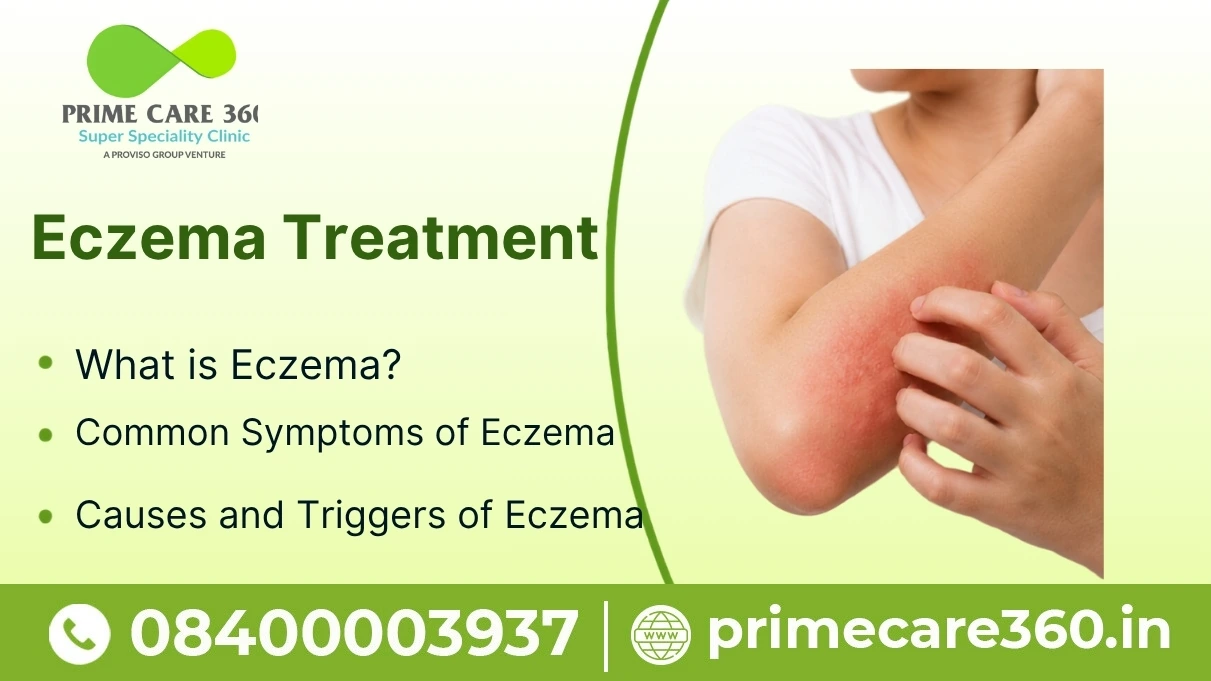
Eczema is one of the most common skin conditions that affects people of all ages. It causes redness, itching, dryness, and irritation that can interfere with daily life and disturb sleep. While eczema is not contagious, it can become uncomfortable if left untreated. The condition often comes and goes, with periods of improvement followed by flare-ups triggered by environmental or lifestyle factors.
Choosing the right eczema treatment depends on the severity of the condition, the person’s age, medical history, and the underlying cause of the flare-up. Early diagnosis and proper care help control symptoms, reduce frequent flare-ups, and improve overall skin health. At Primecare360, personalized treatment plans focus on relieving symptoms while protecting the skin’s natural barrier for long-term comfort.
Eczema, also known as atopic dermatitis, is a chronic inflammatory skin condition that makes the skin dry, itchy, and sensitive. It occurs when the skin barrier becomes weak, allowing moisture to escape while making the skin more vulnerable to irritants, allergens, and bacteria.
Although eczema often begins during childhood, it can also develop in teenagers and adults. The symptoms may vary from mild patches of dry skin to severe inflammation with intense itching and cracked skin.
The condition is not caused by poor hygiene. Instead, it is influenced by a combination of genetics, immune system activity, environmental triggers, and skin barrier dysfunction.
The signs of eczema may differ from one person to another. Some people experience occasional mild irritation, while others develop recurring flare-ups that require medical attention.
The affected skin often loses moisture, becoming rough, flaky, and tight. Dry skin is usually the first sign before itching and inflammation begin.
Itching is one of the most troublesome symptoms. Continuous scratching may damage the skin, increase inflammation, and raise the risk of infection.
Inflamed areas may appear red on lighter skin tones or darker brown, purple, or grey on deeper skin tones.
Repeated scratching over time may cause the skin to become thicker, leathery, and more difficult to heal.
During severe flare-ups, the skin may crack, bleed, or release clear fluid, leading to discomfort and possible bacterial infection.
The exact cause of eczema is not completely known, but several factors contribute to its development.
People with a family history of eczema, asthma, or allergies have a higher chance of developing the condition. Environmental triggers such as dust mites, pollen, pet dander, harsh soaps, detergents, perfumes, and pollution may worsen symptoms.
Weather changes, especially cold and dry climates, can remove moisture from the skin. Excessive heat and sweating may also trigger itching. Emotional stress does not directly cause eczema but may increase the frequency and severity of flare-ups. Certain fabrics like wool or synthetic materials can irritate sensitive skin, while some individuals notice worsening symptoms after consuming specific foods if they have related allergies.
Ignoring eczema can lead to frequent flare-ups and long-term skin damage. Persistent scratching may cause skin infections, scarring, sleep disturbances, and reduced quality of life.
Treating eczema in a timely manner can help reduce inflammation, control itching, repair the skin barrier, and prevent complications. It also minimizes the need for stronger medications in the future by managing symptoms before they become severe.
Treatment is usually personalized according to the severity of symptoms and the patient’s medical condition.
Keeping the skin well-hydrated is one of the most important parts of eczema management. Thick moisturizers or emollients help repair the damaged skin barrier and reduce dryness. Applying moisturizer immediately after bathing helps lock in moisture.
Doctors may prescribe topical corticosteroids to reduce inflammation and itching during flare-ups. In some cases, non-steroidal anti-inflammatory creams are recommended for long-term use, especially on sensitive areas such as the face.
Moderate to severe eczema may require antihistamines to reduce itching or oral medications that control inflammation when topical treatments alone are insufficient.
For persistent or severe eczema that does not respond to routine care, dermatologists may recommend phototherapy or newer biologic medications that target specific immune pathways responsible for inflammation.
Daily skin care plays a significant role in preventing future flare-ups. Gentle cleansing with fragrance-free products helps avoid unnecessary irritation.
Bathing should be limited to a reasonable duration, followed immediately by moisturizer application while the skin is still slightly damp. Loose cotton clothing is usually more comfortable than rough or synthetic fabrics. Nails should be kept short to reduce skin damage caused by scratching.
Maintaining a regular skincare routine supports the benefits of eczema treatment and helps keep symptoms under control.Avoid hot water as it washes away the natural oils of the skin.
Healthy lifestyle habits often reduce the frequency of eczema flare-ups. Drinking enough water supports skin hydration from within. A balanced diet rich in fruits, vegetables, healthy fats, and proteins promotes overall skin health.
Stress management through meditation, yoga, deep breathing, or regular exercise may help some individuals reduce symptom flare-ups. Identifying personal triggers and avoiding unnecessary exposure also plays an important role in long-term management. Using a humidifier during dry weather may help maintain indoor moisture levels, reducing skin dryness during colder months.
Medical attention is necessary when eczema symptoms continue despite home care or become increasingly severe. If the affected skin becomes painful, swollen, develops yellow crusts, or begins leaking fluid, an infection may be present and requires prompt treatment.
Children with persistent eczema should also be evaluated to prevent complications and improve their comfort. Adults experiencing frequent flare-ups or widespread skin involvement may benefit from specialized dermatological care.
Seeking timely medical advice ensures that the most appropriate eczema treatment is selected based on the individual’s condition rather than relying solely on over-the-counter products.
Although eczema cannot always be permanently cured, many people successfully control their symptoms through preventive care. Consistent moisturization, gentle skincare products, trigger avoidance, and regular medical follow-up significantly reduce flare-ups.
Patients should continue using prescribed treatments as advised, even after symptoms improve, if recommended by their healthcare provider. This approach helps maintain healthy skin and reduces the chances of recurrence.
Building a long-term skincare routine is often the key to managing eczema successfully while maintaining comfort throughout the year.
At Primecare360, eczema care focuses on identifying the underlying triggers while providing personalized treatment that suits each patient’s skin condition. Every treatment plan begins with a detailed skin assessment, followed by appropriate medications, skincare recommendations, and practical lifestyle guidance.
The goal is not only to relieve itching and inflammation but also to strengthen the skin barrier and reduce future flare-ups. Regular follow-up ensures that treatment can be adjusted whenever needed, helping patients achieve healthier, more comfortable skin with lasting results.
Living with eczema can be challenging, but proper medical care and consistent skincare can make a significant difference. Early diagnosis, suitable medications, hydration, and trigger management all contribute to healthier skin and fewer flare-ups. The right eczema treatment focuses on relieving current symptoms while protecting the skin from future irritation. If persistent itching, redness, or dryness continues to affect your daily life, consulting the dermatology team at Primecare360 can help you receive a personalized treatment plan designed for long-term skin health.
The best eczema treatment depends on the severity of your condition and may include moisturizers, medicated creams, oral medications, and lifestyle changes prescribed by a dermatologist.
Eczema usually cannot be permanently cured, but with proper treatment and skincare, its symptoms and flare-ups can be effectively managed.
Common triggers include dry skin, harsh soaps, allergens, dust, pollen, stress, sweating, weather changes, certain fabrics, and some foods in sensitive individuals.
Regular moisturizing, avoiding known triggers, using gentle skincare products, wearing soft cotton clothing, and following your doctor’s advice can help prevent flare-ups.
No. Eczema is not contagious and cannot spread from one person to another through physical contact.
You should consult a dermatologist if your eczema is severe, keeps recurring, becomes painful, shows signs of infection, or does not improve with home care.
Yes. Eczema is common in infants and children, although many experience improvement as they grow older. Early treatment helps manage symptoms and prevent complications.
Yes. While stress does not directly cause eczema, it can trigger or worsen flare-ups in many people.
Fragrance-free, thick moisturizers or emollients are generally recommended to keep the skin hydrated and strengthen the skin barrier.
Many people notice improvement within a few days to weeks after starting treatment, but long-term skincare and trigger management are essential to prevent future flare-ups.

with 40+ expert doctors

Consultation, Diagnostics & Pharmacy in one place

Easily accessible for seniors and children

with modern technology
Your health is our priority! Whether you need an expert consultation, diagnostic services, or pharmacy support, our team is here to assist you. Contact us today to book an appointment or get answers to your health-related queries.