A neurologist is a medical specialist who diagnoses and treats disorders affecting the brain, spinal cord and nerves. They manage conditions such as migraines, epilepsy, stroke, Parkinson’s disease and peripheral neuropathy.
Headache disorders, including tension-type headaches and migraines, are among the most common neurological conditions worldwide. Other neurological disorders include epilepsy, stroke, Parkinson’s disease and peripheral neuropathy. The symptoms and treatment depend on the underlying condition. If headaches occur frequently or interfere with daily activities, a neurologist can help identify possible causes and recommend suitable treatment.
A General Medicine specialist is a doctor who diagnoses, treats and helps prevent a wide range of adult health conditions. These include fever, infections, diabetes, high blood pressure, thyroid disorders and digestive problems. A specialist in this field can also coordinate care when symptoms involve multiple body systems.
General Medicine is a medical specialty, whereas MD (Doctor of Medicine) is a postgraduate medical qualification in India. An MD in General Medicine is a doctor who has completed postgraduate training in this specialty and is qualified to manage a broad range of adult medical conditions. An MD Medicine specialist can help with common illnesses, chronic conditions and preventive healthcare.
A cardiologist is the specialist who diagnoses and treats conditions affecting the heart and blood vessels, including coronary artery disease, abnormal heart rhythms, heart failure and high blood pressure. Severe chest pain or difficulty breathing requires immediate emergency medical attention.
An electrocardiogram (ECG) records the heart’s electrical activity and may show changes associated with reduced blood supply to the heart. However, an ECG cannot reliably detect or rule out every coronary artery blockage, particularly when a person has no symptoms. Depending on the clinical findings, a cardiologist may recommend additional investigations, such as a stress test or coronary angiography. A cardiologist can determine which tests are appropriate.
You should consider seeing a pulmonologist if you have a persistent cough, recurring wheezing, unexplained shortness of breath, frequent respiratory infections or symptoms of asthma or COPD. A pulmonologist specializes in diagnosing and treating diseases of the lungs and respiratory system. Severe breathing difficulty requires emergency care.
A pulmonologist, also known as a lung specialist, is the appropriate doctor for most conditions affecting the lungs and respiratory system. These include asthma, COPD, pneumonia, chronic cough and sleep apnea. The specialist evaluates symptoms, medical history and test results before recommending treatment.
Diagnostic refers to the process of identifying a disease or medical condition by evaluating symptoms, medical history, physical examination and test results. Diagnostic services include laboratory investigations, imaging scans and other medical tests that help doctors assess a patient’s health.
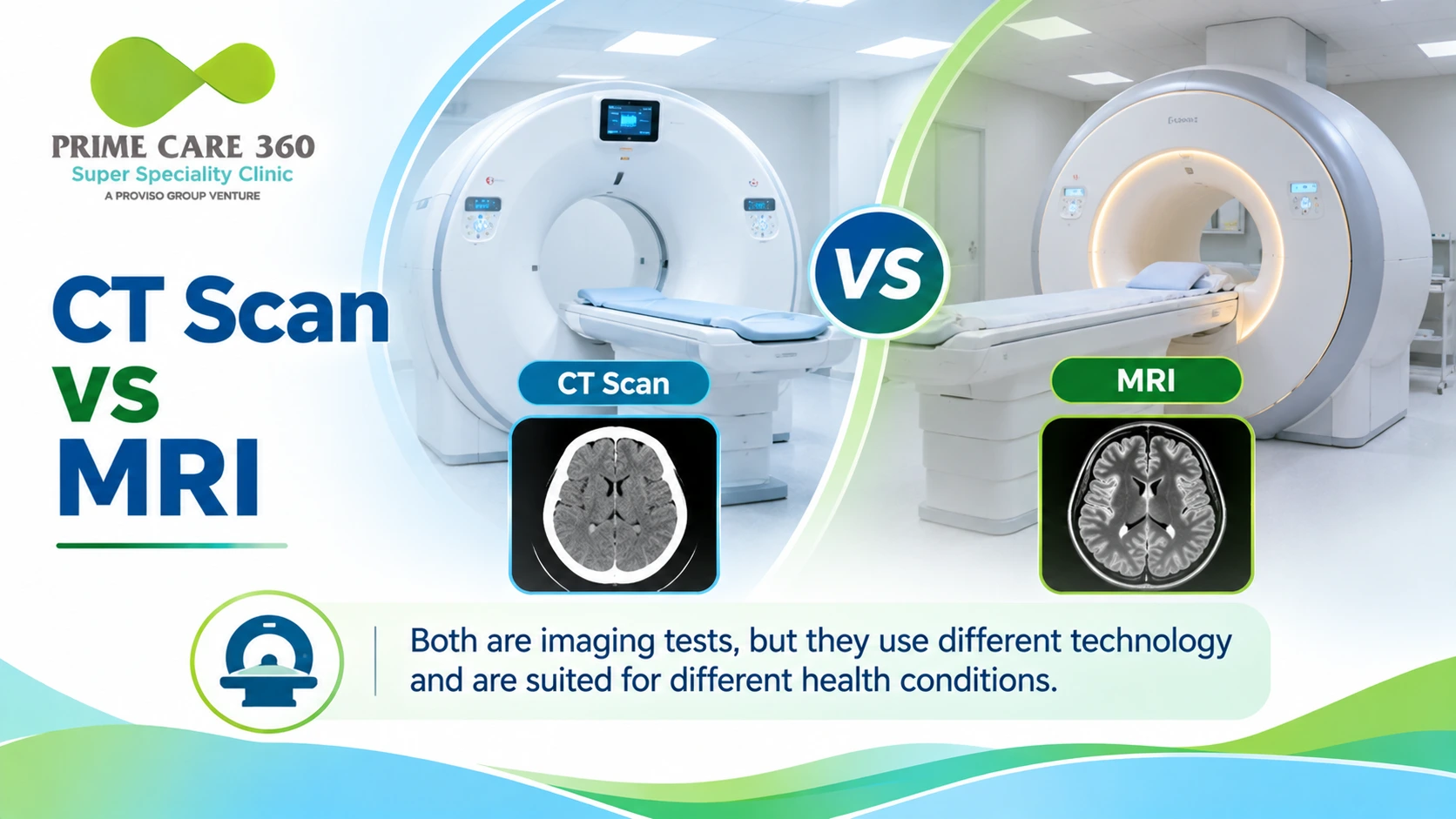
The diagnostic test recommended depends on the symptoms and suspected medical condition. Blood tests can help identify infections, anemia and metabolic disorders, while X-rays and ultrasound scans help examine internal structures. ECGs evaluate the heart’s electrical activity, and CT or MRI scans may be used to investigate certain neurological and other conditions. A doctor can recommend appropriate diagnostic and pathology tests based on your medical history and examination.
Yes, oncology is the branch of medicine concerned with the prevention, diagnosis and treatment of cancer. An oncologist is a specialist who evaluates cancer diagnoses and discusses suitable treatment options, which may include surgery, chemotherapy, radiation therapy, immunotherapy or supportive care, depending on the cancer type and stage.
No, stage 4 cancer does not mean that death is 100% certain. Stage 4 generally means that cancer has spread to distant parts of the body, but outcomes vary considerably depending on the cancer type, its biology, the patient’s overall health and response to treatment. Some advanced cancers can be controlled for extended periods, while others may be more difficult to treat. An oncologist can explain the available treatment options, likely outcomes and supportive care based on an individual’s diagnosis.
Your health is our priority! Whether you need an expert consultation, diagnostic services, or pharmacy support, our team is here to assist you. Contact us today to book an appointment or get answers to your health-related queries.